The Home Energy Model (HEM)
The Home Energy Model (HEM) is the UK Government’s next‑generation methodology for assessing the energy performance and carbon impact of residential buildings.

Developed by the Department for Energy Security and Net Zero, HEM replaces the long‑standing SAP methodology and forms the technical foundation for the updated Building Regulations Part L and the Future Homes Standard.
Unlike SAP, which relies heavily on simplified assumptions, HEM introduces a more advanced, digitally enabled and data‑driven approach. It models how homes are actually designed, built and used, delivering more accurate predictions of energy demand, carbon emissions and running costs. This enables better‑informed design decisions and supports the transition to genuinely low‑carbon, high‑performance housing.
HEM places greater emphasis on fabric performance, real‑world ventilation, low‑carbon heating systems, renewable technologies and grid interaction. It also improves consistency between compliance, operational energy use and other national assessment tools, helping to close the performance gap between design intent and in‑use outcomes.
For developers and design teams, HEM provides a stronger, future‑proofed compliance framework that aligns with net zero objectives while encouraging innovation in building design. For local authorities, housing providers and investors, it offers greater confidence in long‑term energy efficiency, carbon reduction and occupant comfort.
At AES Sustainability, we support clients through the full transition to HEM, providing expert modelling, compliance assessments and strategic advice from early feasibility through to post‑construction certification. Our approach ensures regulatory compliance while maximising performance, value and long‑term sustainability.
How we can help
Compliance Modelling
For the first time in Part L history, there will be two routes to compliance – SAP10.3 and the Home Energy Model.
At the moment, only SAP10.3 is available, but we will be offering modelling services using both methods later in 2026.
Our team can advise which route is best for you depending on your build schedules, specification, and your energy performance priorities.
If you want to stick with the familiar SAP approach, we can support you. If you’re keen to jump into HEM from Day One, we can support with that too.
The AES HEM Interface
We are developing our own Home Energy Model calculator with unique design features, meaning we can deliver fast and accurate results for even the largest of housing developments.
HEM will allow us to model new and emerging technologies, such as Smart cylinders, thermal batteries and optimised PV arrays – things which are ignored or defaulted by the current SAP engine.
With a direct link to the AES Hub and SiteView, HEM results and reports will be accessible quicker with enhanced interactive search features
Bespoke Calculations
HEM reaches beyond Building Regulations compliance. Models can be adapted to change energy tariffs, occupancy behaviours and heating designs.
By developing our own HEM interface, we can unlock HEM’s full potential to assist with research projects, alternative climate conditions, post-occupancy analysis and create bespoke calculations to meet your specific KPI requirements.
As new HEM Wrappers are published, our interface will evolve. In the first instance, we’ll deliver Part L compliance. this will be followed by EPC certificates. And after that, we’ll have to wait on future Government announcements.
Knowledge Centre
We have collated a selection of articles from our experts, offering valuable insights and practical advice around the Home Energy Model. Browse through these resources to stay informed and understand how, together, we can deliver future proofed, net zero homes.











Contact
We can provide high quality advice and technical support to help guide you through all stages of the Future Homes Standard.
Associated Services
Overheating
Mitigate overheating risks and ensure energy-efficient, compliant buildings.
SAP Calculations
Achieve your project requirements, and enhance energy efficiency, using the Standard Assessment Procedure (SAP).
EPCs
Demonstrate your building's energy performance.
Air Tightness Testing
Achieve compliance with our UK wide air tightness testing.
Photographic Evidence
Showcase your energy efficiency and meet new compliance standards.
Passivhaus
Attain energy-efficient, sustainable buildings through the Passivhaus standard.
London Plan
Ensure London Plan compliance with expert support.
Whole Life Carbon
Understand your development's whole life carbon impact.
SBEM Calculations
Enhance energy efficiency and achieve compliance with Part L2.
BREEAM & Home Quality Mark
Achieve your sustainability targets with our specialist BREEAM services.
Psi Value Calculations
Calculate Psi values to help eliminate risks of cold bridging and boost your SAP calculations.
U Value Calculations
Attain optimal energy efficiency with precise U Value calculations for your building projects.
Sound Insulation Testing
Achieve compliance and demonstrate effective sound design.
Domestic Ventilation Commissioning
Ensure optimal airflow and meet domestic ventilation compliance standards.
Water Efficiency Calculations
Minimise water usage and guarantee compliance.
Projects
Legacy Wharf II
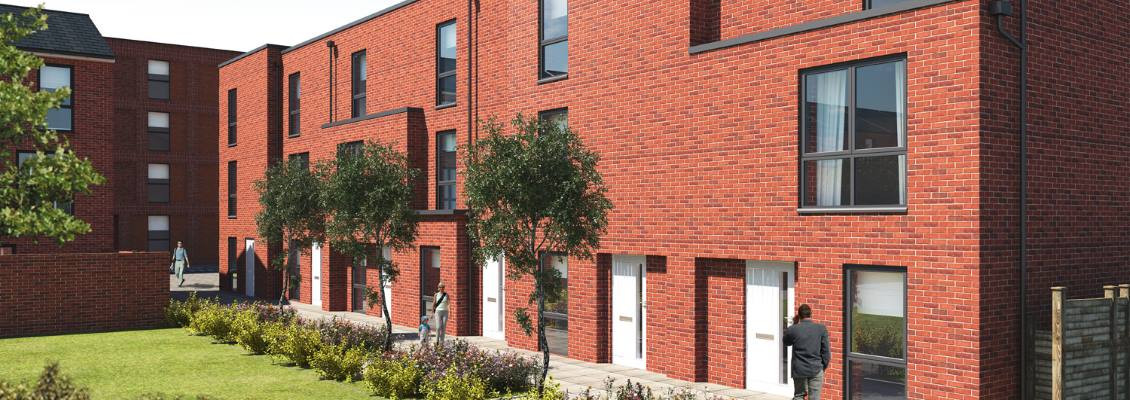
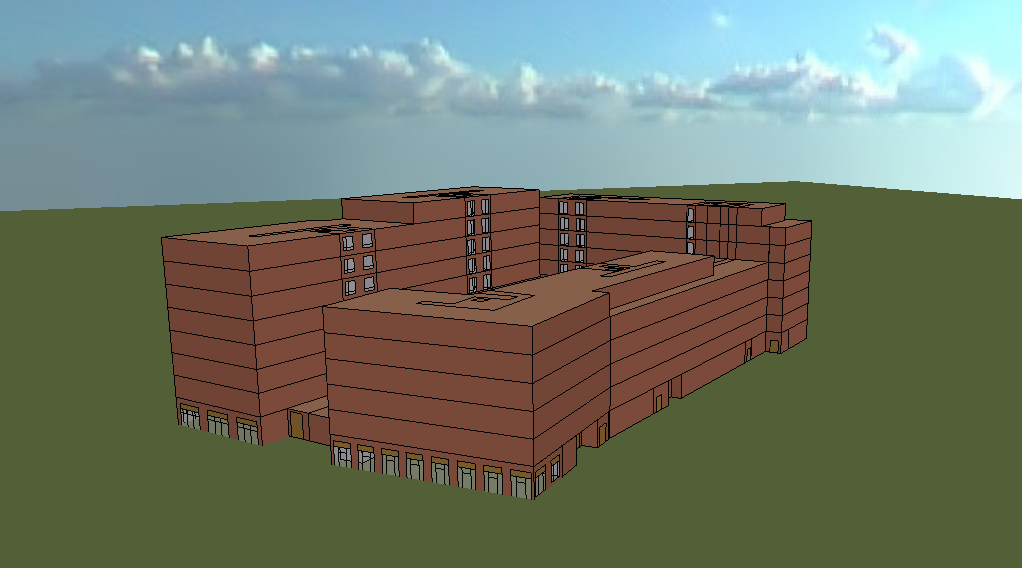
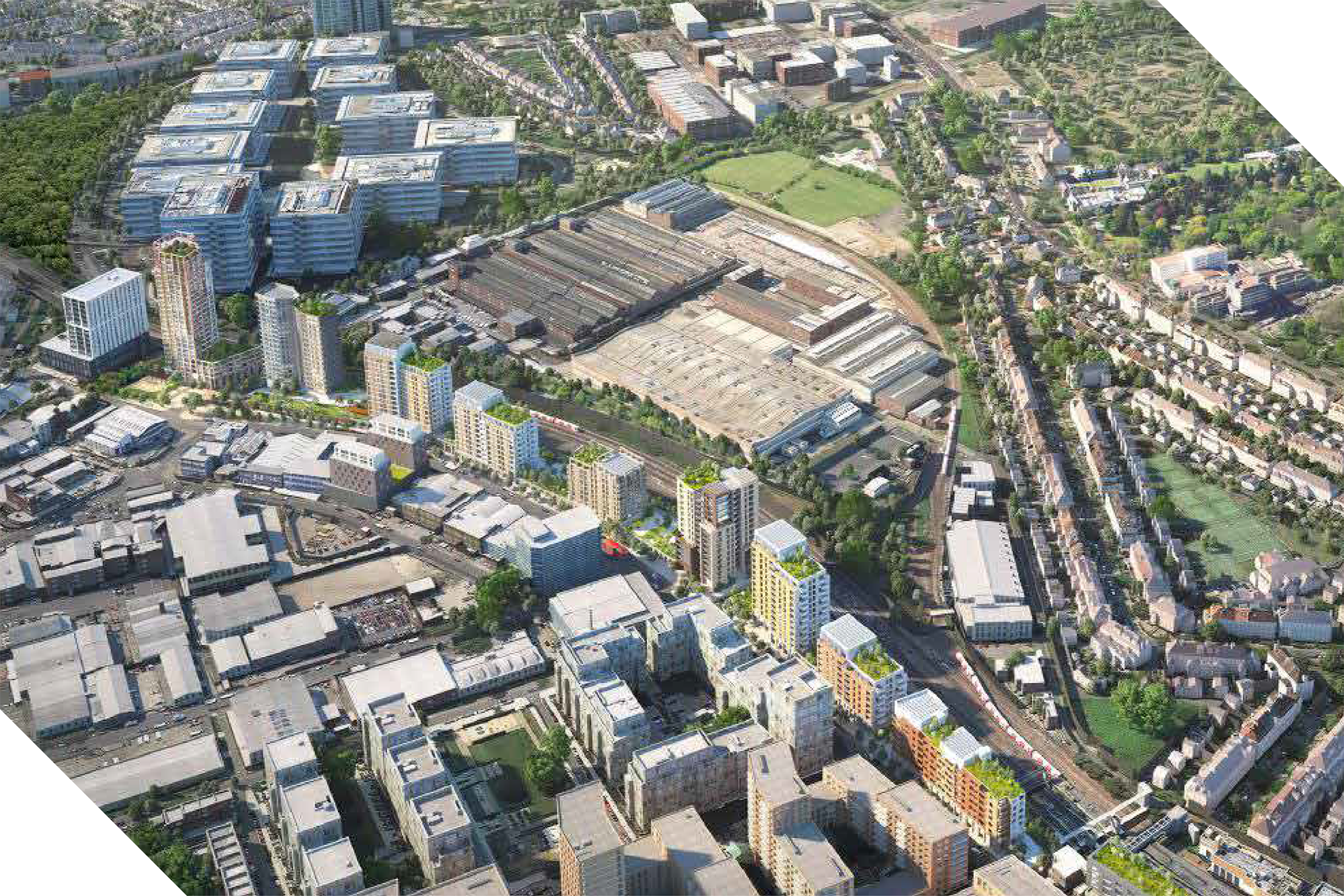
AES performed Air Testing services on Legacy Wharf, a mixed-use development in the London Borough of Newham, boasting 196 units across 8 stories.
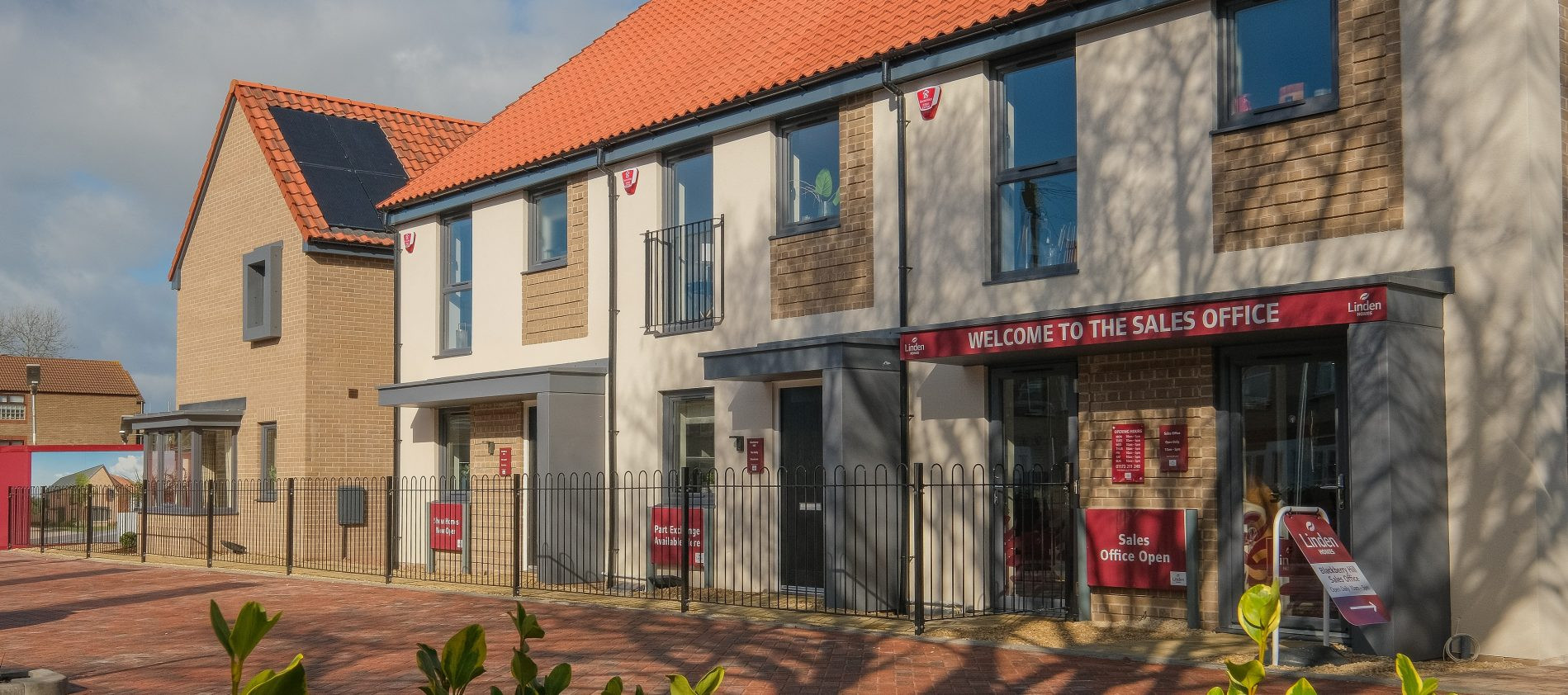
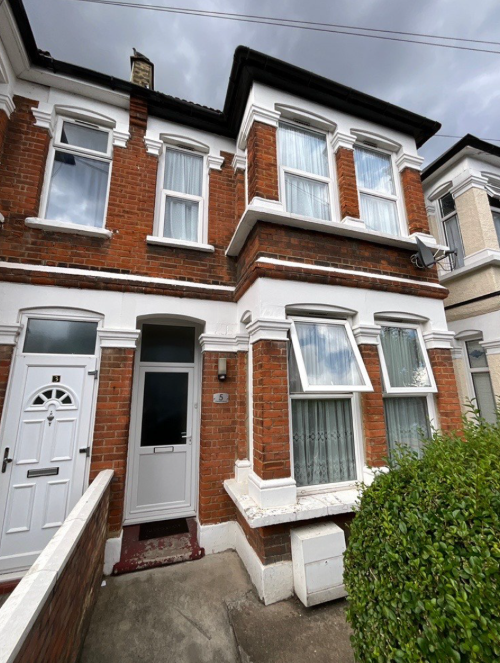
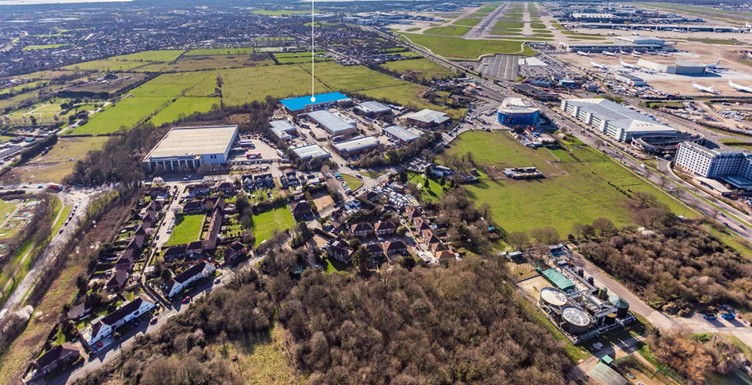
Blackberry Hill Hospital, Vistry Partnerships Blackberry Hill is a complex mixed-use regeneration project involving new build and refurbishment elements.
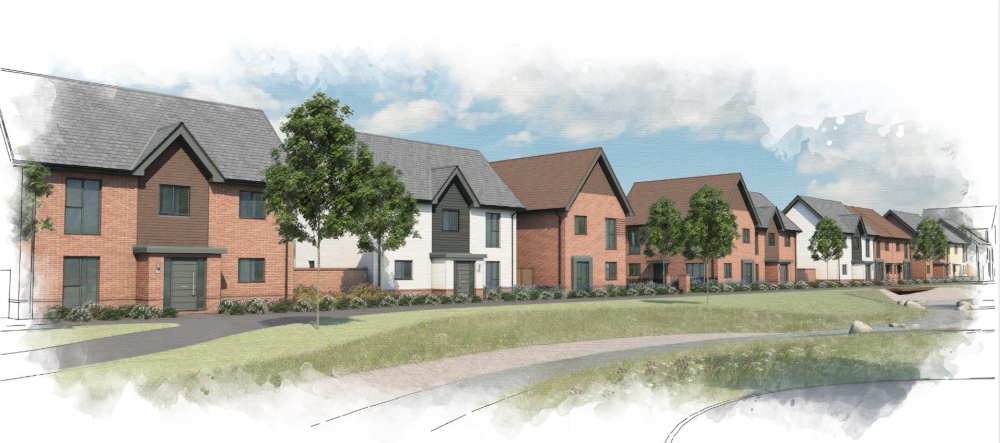
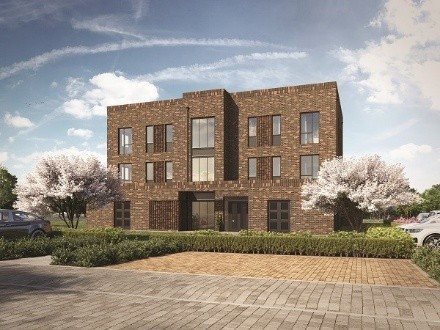
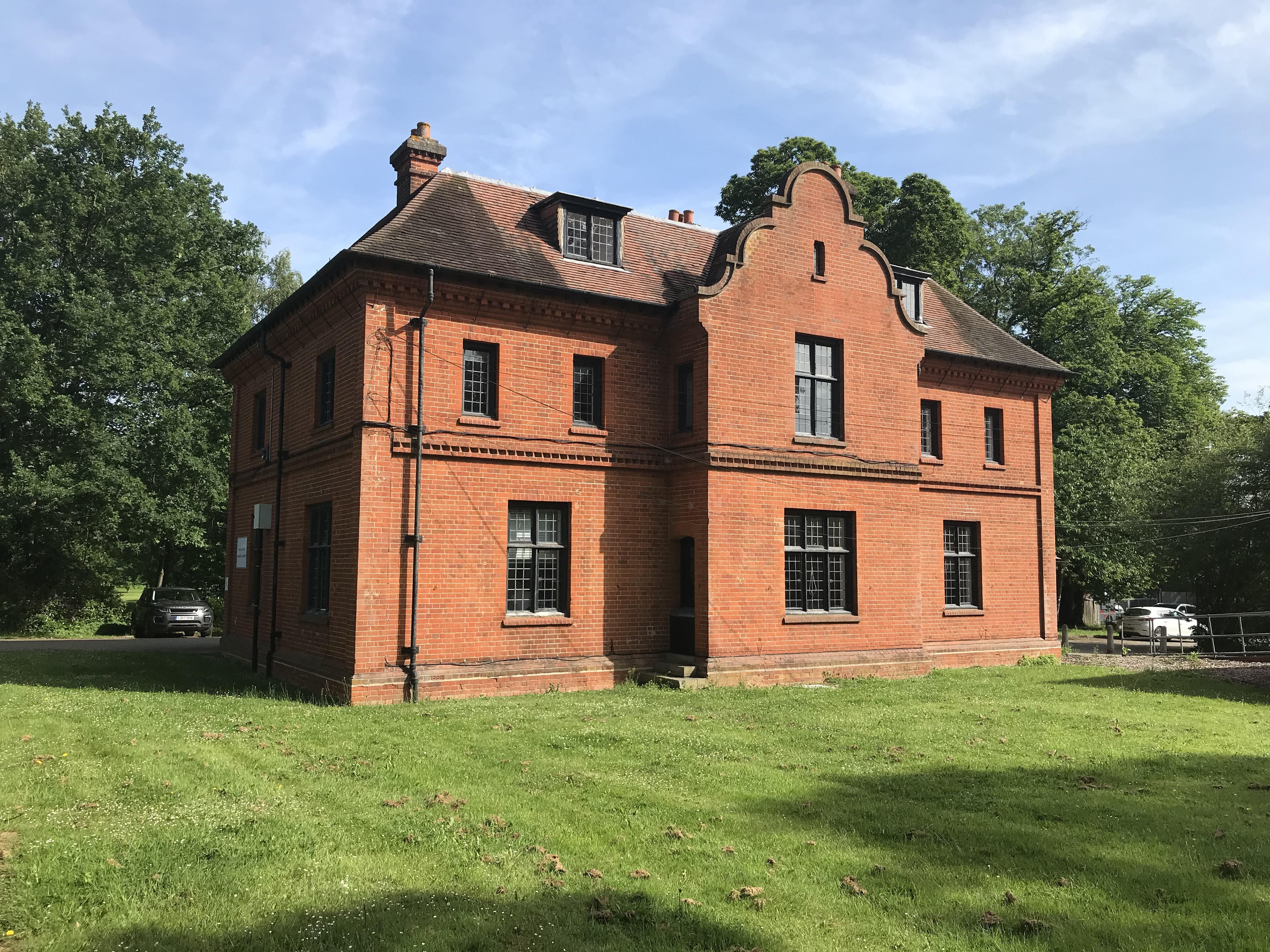
Legal & General Homes, Buckler's Park The development is built to Part L 2013 with 19% site-wide carbon emissions savings from renewables.
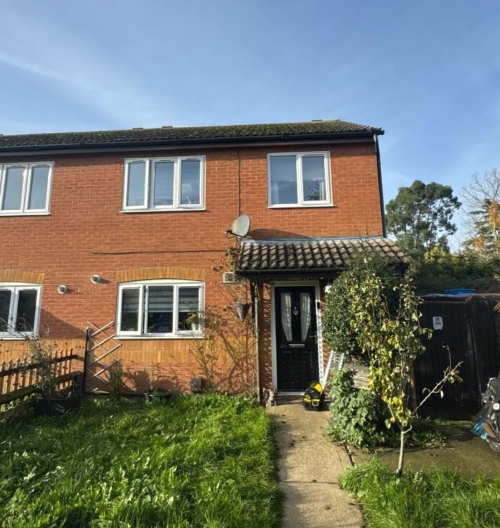
Cambridge Housing Society (CHS): WH:SHF Project AES, alongside McBains, were appointed to produce a net zero carbon investment plan for CHS.













Contact
Contact us today to discuss your project.
Quick links
Address
AES Sustainability Limited
4b Oaklands Court
Tiverton Way
Tiverton Business Park
Tiverton
Devon EX16 6TG
Contact
01884 242050
info@aessc.co.ukDesigned by Optix Solutions. Developed by morphsites®
This website uses cookies to ensure you get the best experience. Learn more