Knowledge Centre
Welcome to our Knowledge Centre. Here, you'll find a selection of articles from our experts, offering valuable insights and practical advice. Browse through these resources to stay informed and gain expert perspectives on key topics.

For years, the conversation around delivering low-carbon developments in London has largely centred on technology. How much renewable energy can be installed? Which district heating network can a scheme connect to? What additional systems are needed to reduce operational carbon emissions? But what if the answer isn't adding more technology at all?

For many years, Passivhaus was viewed as a niche approach reserved for self-build projects, pioneering architects and sustainability enthusiasts. Yet today, some of the UK's largest housebuilders are actively exploring and delivering Passivhaus homes. So, what has changed?

The Future Homes Standard is set to usher in a new era of residential construction, driving significant improvements in energy efficiency and reducing the carbon emissions associated with new homes. The direction of travel is clear. The homes of tomorrow will need to deliver substantially better environmental performance than those being built today.

UK Building Regulations are continually evolving to reflect improvements in building performance, energy efficiency and sustainability. Without transitional arrangements, every regulatory update could force developers to revisit schemes already progressing through planning, design or construction, potentially creating significant disruption. Transitional provisions exist to provide certainty, but understanding how they work has never been more important.

Improving the energy efficiency of new homes remains a critical priority, but sustainability in the built environment extends far beyond operational energy use. As planning policy and UK Building Regulations continue to evolve, attention is beginning to turn towards the wider environmental impacts of buildings throughout their entire lifecycle.

The residential construction industry is preparing for one of the most significant regulatory changes in recent years. While much attention has focused on planning reform, the Future Homes Standard is expected to become the primary driver of energy performance in new housing developments.

As the Home Energy Model (HEM) moves closer to implementation, one of the most significant changes for energy assessors isn't inside the building itself, but what's happening around it. Could neighbouring buildings, trees and other obstacles have a greater influence on energy performance calculations than many developers realise?

When most people think about the Future Homes Standard and the Home Energy Model (HEM), they expect questions about insulation levels, airtightness, glazing performance or heating systems. What they probably don't expect is to be asked a seemingly simple question: what colour is the house?

The latest changes to the National Planning Policy Framework (NPPF) have been widely discussed in the context of housing delivery, planning reform and economic growth.

While compliance remains a technical discipline, today's regulatory environment means its impact extends far beyond Building Regulations approval.

As overheating risks rise, CIBSE has introduced a substantially revised 2ND edition of TM59

The critical question is how will your current house types perform under these new requirements?

How to balance more stringent regulatory requirements with action to support long term performance.

PAS 2035 is a part of the UK’s government’s commitment to improving building energy efficiency .
For almost two decades, the Standard Assessment Procedure (SAP) has served as the foundation for measuring the energy performance of new homes in the UK.

After years of anticipation, the UK Government has today released its official response to the Future Homes Standard (FHS) consultation and confirmed the details of the new Approved Document Part L. This marks one of the most significant shifts in building regulations for over a decade.

Welsh consultation on Parts L, O & F updates aims to align building regs with Net Zero targets.

BREEAM New Construction Version 7 launches Sept 2025. Learn about what these changes mean.

Explore future-proof cooling strategies that balance thermal comfort and energy efficiency.

Watch our free 30 minute Webinar Series.

Gas boiler ban FAQs: Future rules, replacement options & what UK homeowners need to know
rdSAP10 launches June 2025, improving EPC accuracy and supporting the UK’s net-zero goals.

EPCs are changing! A new dashboard format is coming - learn what’s new and when it rolls out.

Psi values measure heat loss at junctions and are key to meeting Building Regulations 2021.

Understand EPCs and DECs: key assessments for energy performance in commercial properties.
CIBSE TM54 evaluates operational energy performance at the design stage, bridging the performance gap.
HEM will replace SAP to better model home energy use and support the UK’s net-zero housing goals.
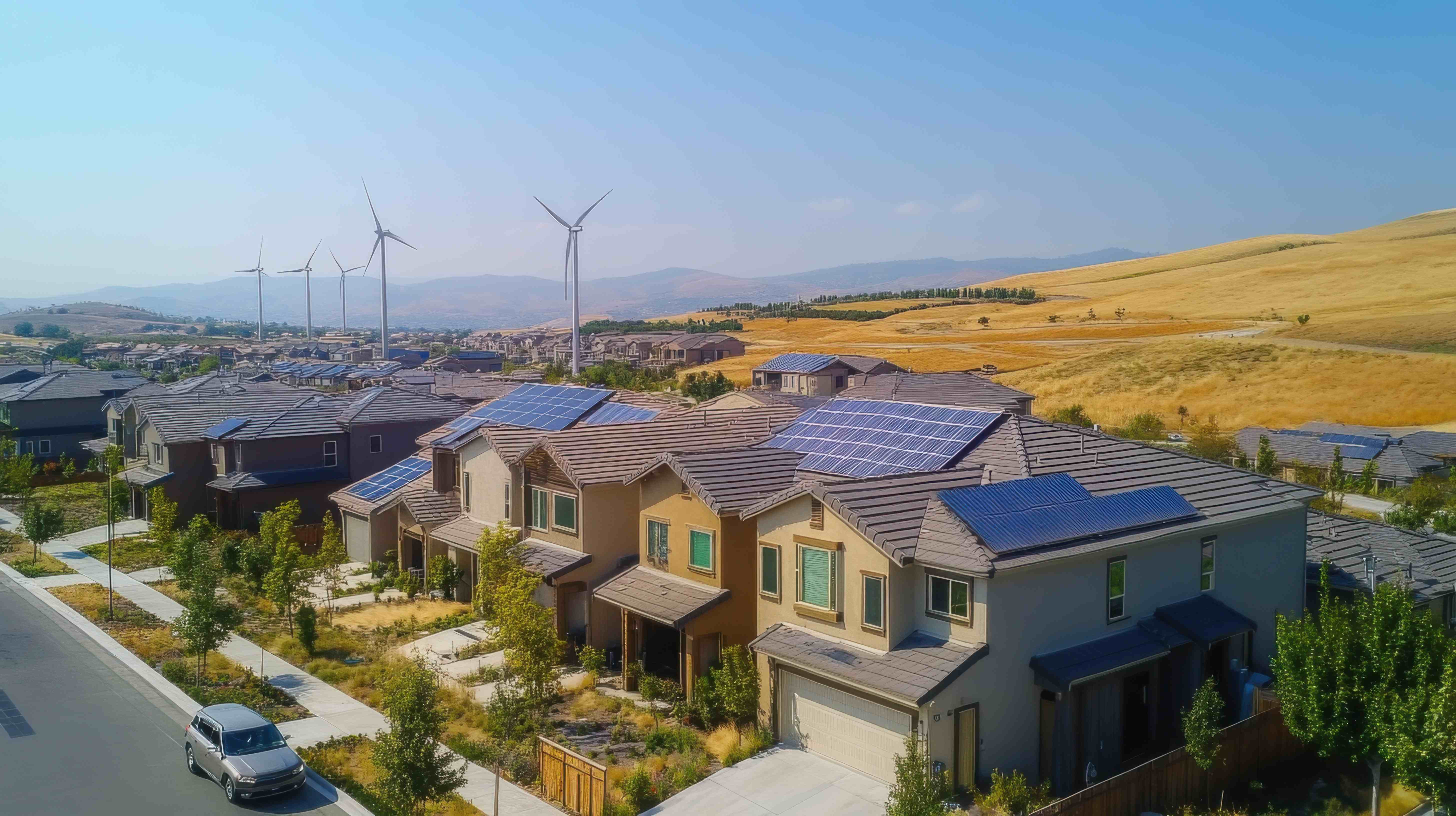
Future Homes Standard sets goals to cut emissions, lower bills, and improve new home energy efficiency.
Quick links
Address
AES Sustainability Limited
4b Oaklands Court
Tiverton Way
Tiverton Business Park
Tiverton
Devon EX16 6TG
Contact
01884 242050
info@aessc.co.ukDesigned by Optix Solutions. Developed by morphsites®
This website uses cookies to ensure you get the best experience. Learn more